

The size of the tip of a pencil, or just two milligrams, is the amount of fentanyl it takes to cause an overdose death. Though the amount may be small it has had a large impact on communities across Kansas. Over the last year, the Community Health Center of Southeast Kansas has worked to educate and prevent opioid overdose deaths through the Southeast Training for Overdose Prevention (STOP) Project.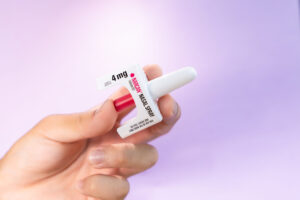
In the fall of 2023, the Kansas Fights Addiction (KFA) program awarded CHC/SEK $200,000 to distribute free naloxone kits (Narcan) at southeast Kansas correctional facilities and provide comprehensive training for local agencies and community members. Narcan is a medicine that rapidly reverses an opioid overdose.
“We provided kits to staff at county jails to make sure people who were being released received overdose prevention education along with a free naloxone kit,” said Bailey Hennen, CHC/SEK STOP Grant Coordinator.
Through the STOP project, Hennen has trained 976 individuals in 134 organizations across 16 counties. The education and prevention initiative focuses on addressing the rising overdose rates in the U.S., particularly in Kansas, highlighting the role of synthetic opioids like fentanyl. According to the CDC, more than 150 people die every day from overdoses related to synthetic opioids.
Training participants learned how to respond to overdoses, differentiate between stimulant and opioid overdoses, and strategies for preventing overdoses, such as proper prescription drug use and safe medication disposal. A key point was dispelling the misconception that Narcan is just a tool to make recreational drug use safer.
“There was a stigma associated with recreational drug use and Narcan, so there has been some resistance to getting it out there until we were able to provide some education and clear that up because the reality is Narcan is a tool to reverse the effects of opioid overdose, which anybody with exposure to opioids (recreational or non) is potentially at risk for,” Hennen said. “It’s been very gratifying to see how this resource is being received better because that is crucial in how many lives we can save with it.”
Hennen also collaborated with Crawford County Sheriff Danny Smith, who also secured a grant from KFA to purchase Naloxone overdose rescue kits.
“Sheriff Smith provided those boxes to local schools including Pittsburg State University and then he would teach them about Narcan, or I would come and train the organization,” Hennen said.
“The Sheriff’s Office has a great partnership with CHC/SEK,” Smith said. “That partnership has continued in the fight against opioid overdoses in our community. In the grant application, we included a training segment that will be provided to the schools, and Bailey has been a vital part of that segment. Together, we will continue the awareness, education, and training needed to keep our schools and community safe.”
Opioid emergencies can happen anytime and anywhere. Having Naloxone in your first aid kit, or carrying it with you on the go, can save lives. To access a free Naloxone kit, visit www.dccca.org/naloxone-program.